
Wigs for Cancer Patients: A Complete Guide to Hair Loss During Chemo
A cancer diagnosis brings enough to think about already. So when hair loss enters the picture, it can feel like one more thing you didn’t ask for. At Innovative Hair Solutions, we work with people every week who are searching for wigs for cancer patients, and we understand this search often starts with fear, not fashion. That’s okay. Our goal is simple: to help you feel prepared, supported, and like yourself again.
In this guide, we’ll walk you through everything you need to know about wigs for cancer patients — from timing your purchase, to choosing the right style, to understanding insurance coverage. Along the way, we’ll also share how our team can support you at every step. You can also visit our website at Innovative Hair Solutions anytime to explore our full range of hair loss solutions.
Key Takeaways
- Shopping for wigs for cancer patients before hair loss starts makes it easier to match your natural color and texture.
- Insurance may cover a wig under the term “cranial prosthesis,” so it’s worth asking your doctor for a prescription.
- Both synthetic and human hair wigs work well during chemo; the right choice depends on comfort, budget, and lifestyle.
- A soft, breathable wig cap matters more than ever for a sensitive scalp during treatment.
- You’re not limited to wigs — scarves, turbans, and soft hats are valid options too.
When Does Hair Loss Start During Chemo?
Hair loss usually begins two to four weeks after the first chemotherapy session. However, every treatment plan is different. Because of this, it’s helpful to ask your oncology team what to expect from your specific regimen. Once you know your timeline, you’ll have a clearer idea of when to start exploring wigs for cancer patients so you’re not rushing later.
Should You Buy a Wig Before Starting Chemo?
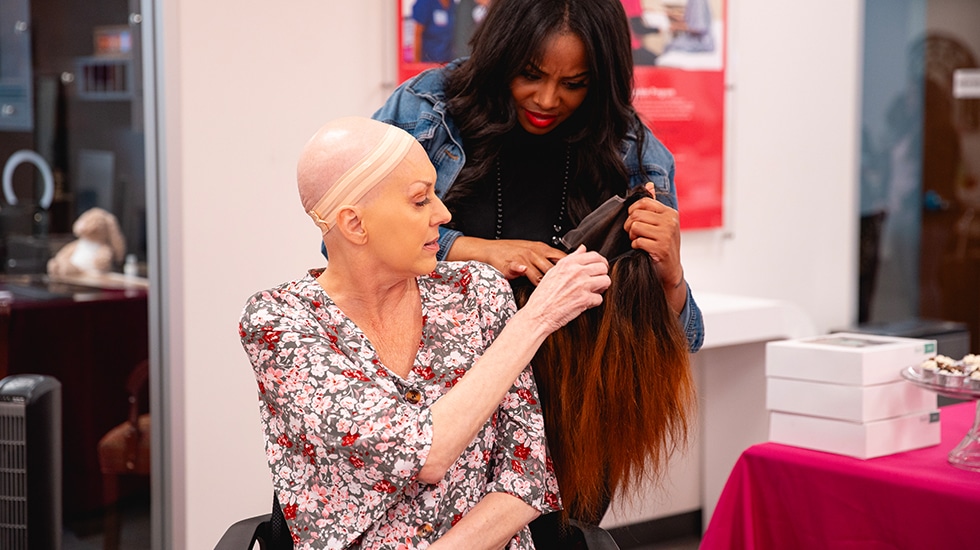
In most cases, yes. Shopping for a wig before hair loss begins gives you the best chance to match your natural color, texture, and length. Plus, it takes one task off your plate later, when energy and time may be harder to come by. If you’re unsure how do I know what size wig to get before hair loss, our wig consultation service can measure and fit you in person, or walk you through an easy at-home measuring guide.
Choosing the Right Wig for Chemo
Once you’re ready to choose, a few key decisions will shape your experience day to day.
Synthetic vs Human Hair Wig for Chemo
Synthetic wigs hold their style well and require less maintenance, which can be helpful during treatment. Human hair wigs, on the other hand, offer a more natural look and feel and can be styled just like your own hair. For a deeper comparison, see our guide on human hair vs synthetic wigs.
Best Wig Cap for Sensitive Scalp
Chemo often makes the scalp more sensitive. Because of this, a soft, breathable wig cap is essential. We recommend seamless, tag-free caps designed specifically for comfort during treatment.
How to Match Your Wig to Your Natural Hair Color and Texture
Bring in a recent photo, or even a small clipping of your hair, so our stylists can match your wig as closely as possible. This small step makes a big difference in how natural your wig feels.
What Is a Cranial Prosthesis?
A cranial prosthesis is simply the medical term for a wig prescribed for hair loss due to a medical condition, including chemotherapy. This term matters because it’s often the key to unlocking insurance coverage, which we’ll cover next.
Let Us Help You Find the Right Wig, Together
Does Insurance Cover Wigs for Cancer Patients?
Many insurance plans do cover wigs for cancer patients, as long as your doctor writes a prescription using the term “cranial prosthesis” rather than “wig.” Because coverage varies by plan, we recommend calling your insurance provider directly to confirm your benefits.
Does Medicare Cover Wigs for Chemo?
Traditional Medicare typically does not cover wigs. However, some Medicare Advantage plans offer partial coverage, so it’s worth checking your specific plan details.
Is a Wig Tax Deductible for Cancer Patients?
In many cases, yes. A wig prescribed as a cranial prosthesis may qualify as a deductible medical expense. As always, check with your tax professional to confirm.
Where to Find Free Wigs for Cancer Patients
Several nonprofit organizations provide free wigs for cancer patients based on need. Our team keeps an updated list of local and national resources, so don’t hesitate to ask us during your consultation.
Can You Wear a Wig During Chemo Treatment?
Yes, absolutely. In fact, many patients wear their wig throughout treatment for comfort and confidence. Just be sure to choose a lightweight, breathable style, since your scalp may be more sensitive than usual. If bald head comfort is a concern, a soft cotton liner underneath your wig can help.
Wig Alternatives for Cancer Patients
A wig isn’t your only option. Scarves, turbans, and soft hats all offer comfort and style, especially on days when a wig feels like too much. If you’re experiencing thinning rather than full hair loss, our topper services are also worth exploring, since they add coverage and fullness with a lighter feel than a full wig. Ultimately, the right choice is whichever one makes you feel most comfortable, day by day.
Not Sure Which Option Is Right for You?
How to Style a Wig to Look Natural After Chemo
Once you’ve chosen your wig, proper care keeps it looking its best. For human hair wigs, follow our guide on how to properly wash a human hair wig to protect its shine and softness, and your stylist can share extra tips specific to your wig type.
Beyond the Wig — Eyebrows, Eyelashes, and Other Changes
Chemo can also affect eyebrows and eyelashes. Brow powders, stencils, and false lashes are gentle, low-effort ways to soften these changes. Our stylists are happy to recommend products that work well for sensitive skin during treatment.
Only style the wig once it’s completely dry. If your wig has natural curl or wave, learning how do you wash a human hair wig without ruining the curl pattern comes down to avoiding heat, friction, and over-brushing while damp — let curls air-dry undisturbed and finger-style once dry to preserve their shape.
Coping With Hair Loss During Cancer Treatment
Hair loss can affect how you see yourself, and that’s completely valid. Many of our clients say that finding the right wig helped them feel a sense of control again, even during an unpredictable time.
Talking to Kids About Losing Hair From Cancer
Keep the conversation simple and honest. Explain that treatment sometimes causes hair to fall out, and that it usually grows back afterward. Letting kids see and touch your wig can also ease their worries.
When Does Hair Grow Back After Chemo?
Most patients see new growth within three to six months after finishing treatment. At first, hair may grow back with a different texture or color, but this often evens out over time. In the meantime, a topper can be a gentle, comfortable transition option as your hair returns.
Frequently Asked Questions
Should I buy a wig before starting chemo?
Yes, in most cases. Shopping early lets you match your natural color and texture while you still have hair. It also removes one task from your plate once treatment begins, when time and energy may be limited.
Does insurance cover wigs for cancer patients?
Often, yes. Ask your doctor for a prescription using the term "cranial prosthesis" instead of "wig." Coverage varies by plan, so confirm your specific benefits directly with your insurance provider before purchasing.
Can you wear a wig during chemo treatment?
Yes, wearing a wig during chemo is completely safe and common. Choose a lightweight, breathable style, since your scalp may be more sensitive. A soft cotton liner underneath can add extra comfort throughout the day.
How soon after chemo does hair grow back?
Most patients notice new growth within three to six months after finishing treatment. Early regrowth may differ in texture or color, but it typically evens out over time as your body continues to recover.
What is a cranial prosthesis?
A cranial prosthesis is the medical term for a wig prescribed due to hair loss from a medical condition, including chemotherapy. This term is often required for insurance coverage and tax deduction purposes.
You Deserve Support, Every Step of the Way
Finding the right wig won’t change your diagnosis, but it can bring back a small, meaningful sense of normalcy. At Innovative Hair Solutions, we’ve guided many people through this exact journey, and we’d be honored to help you too. Whether you’re just starting to explore your options or you’re ready for a fitting, our team is here with patience, expertise, and genuine care. Please contact us to schedule your free wig consultation, and let’s take this next step together.